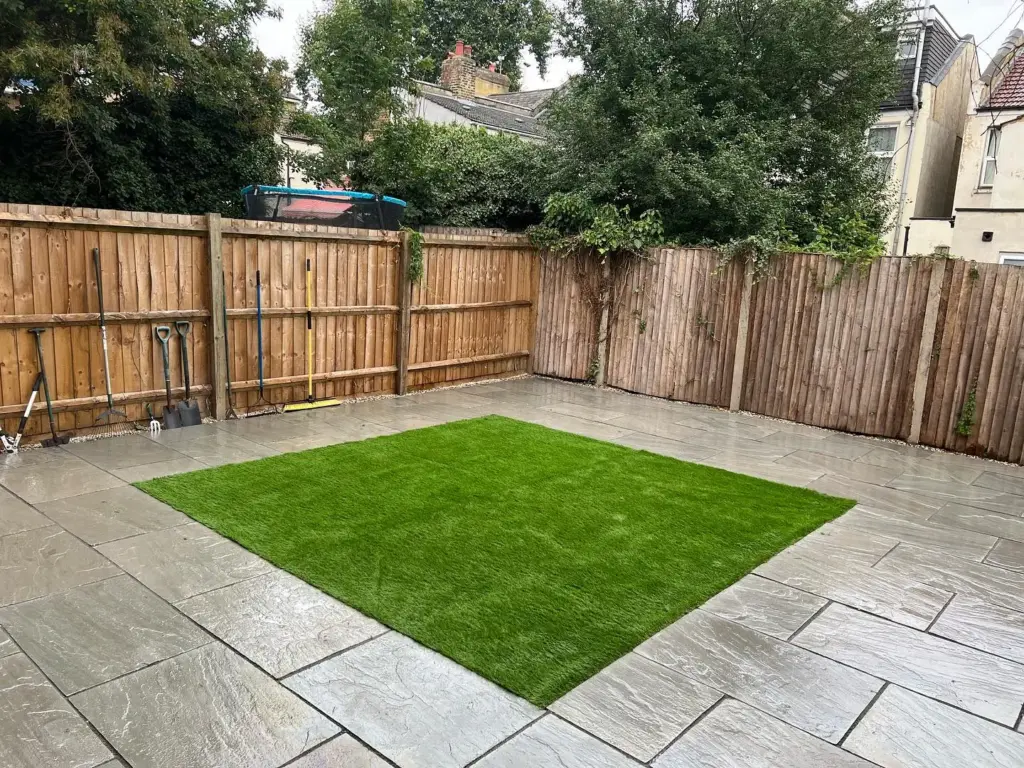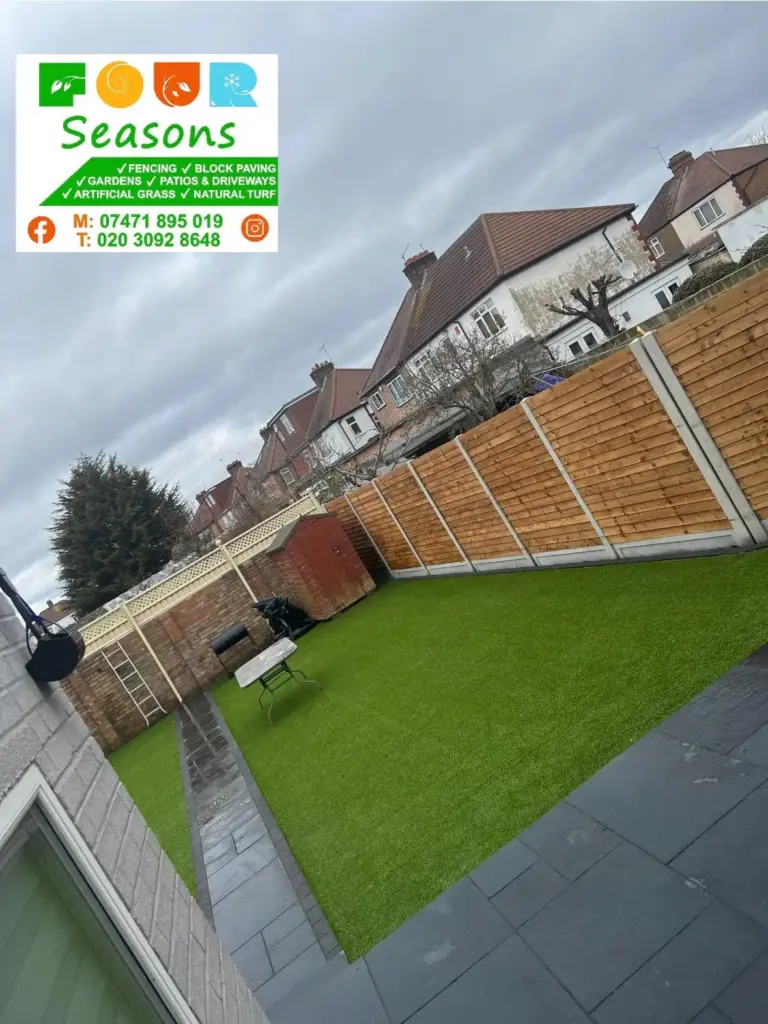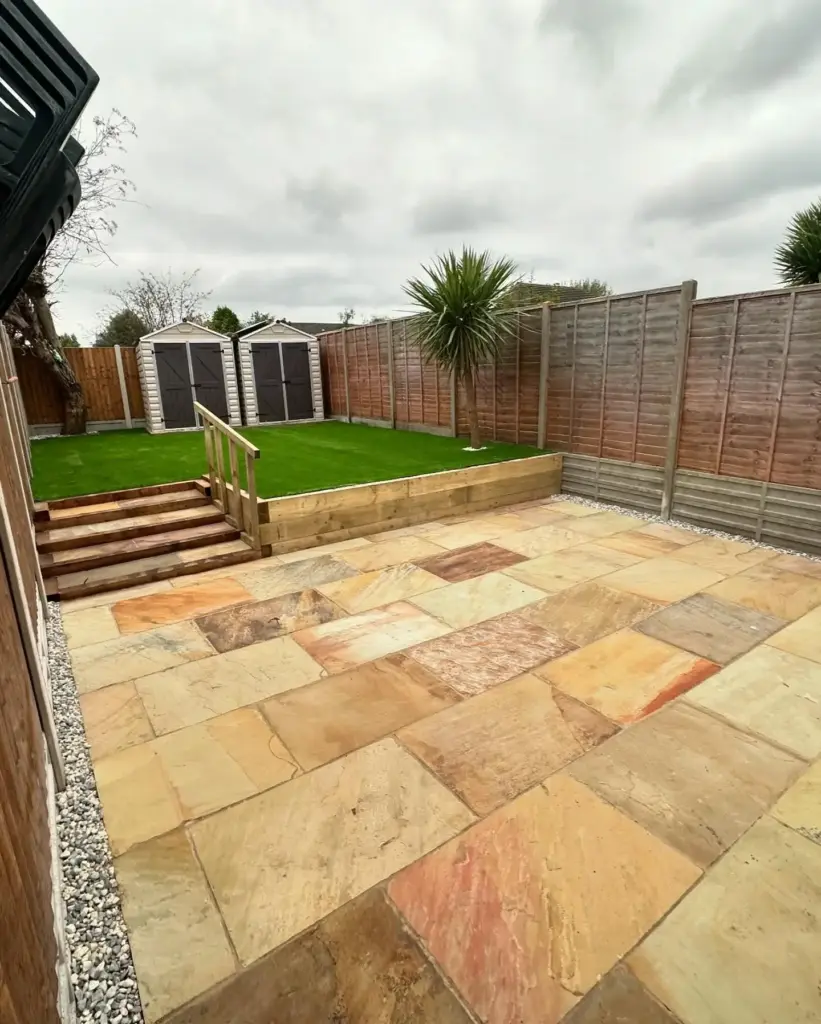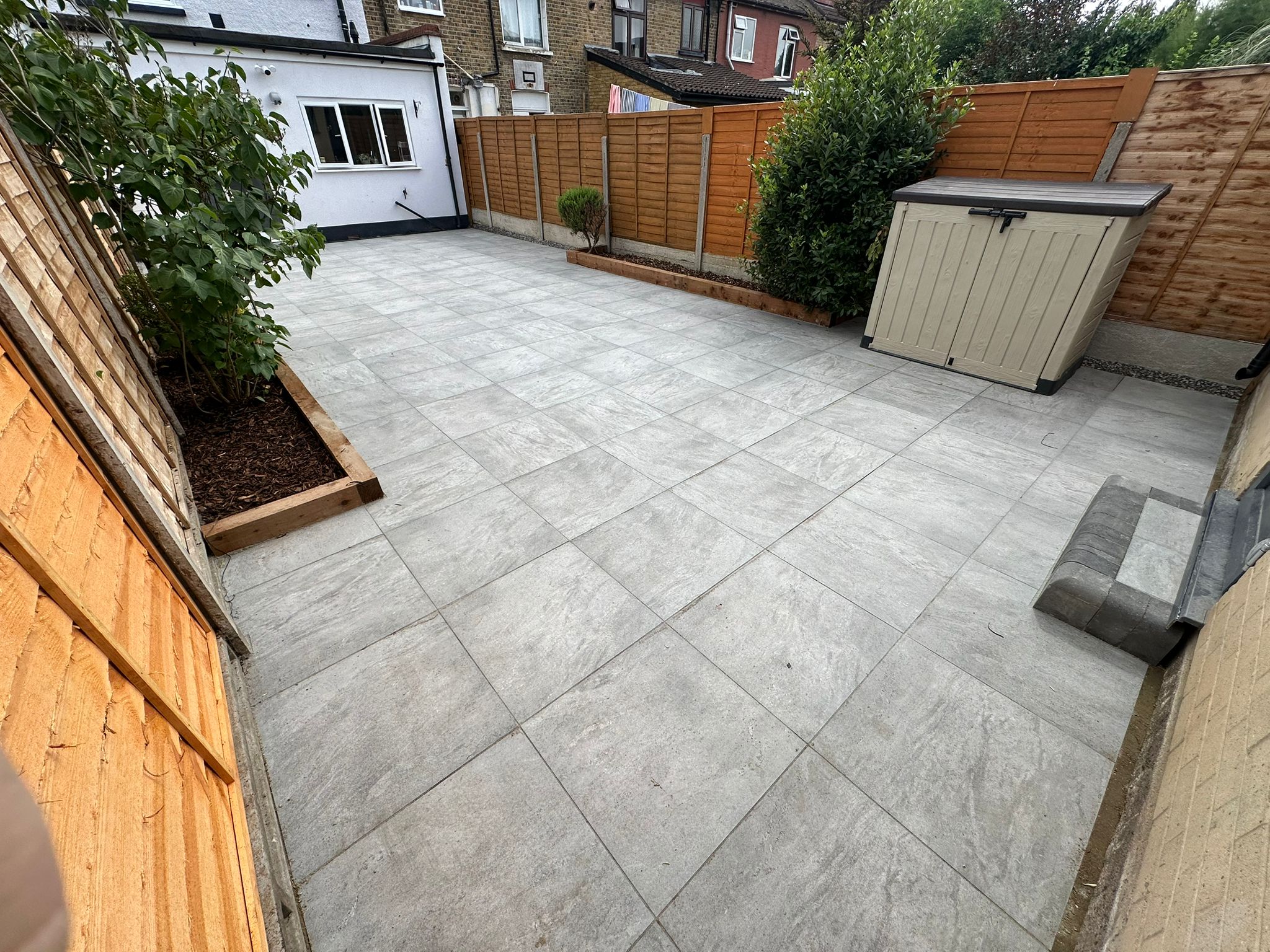
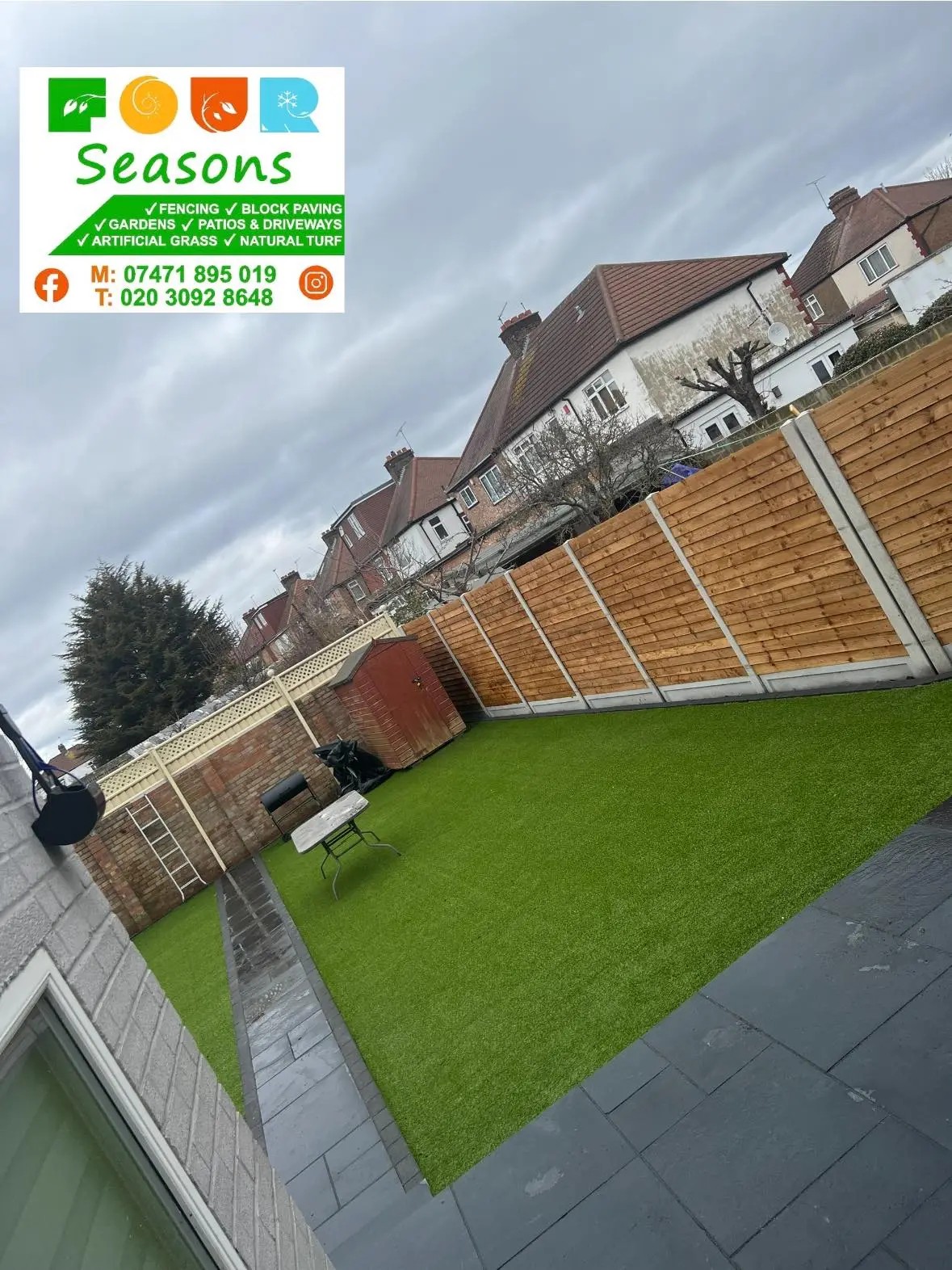
Pet-friendly artificial grass in Romford gave this garden a far more usable finish after the old lawn became muddy, messy, and difficult to live with. The aim was to replace a worn surface that struggled in wet weather with something cleaner underfoot, easier to maintain, and better suited to a household with pets.
Why the Old Lawn Had Become Hard to Manage
The existing garden had reached the point where natural grass was causing more hassle than enjoyment. Once the surface became wet, it quickly turned muddy and made it difficult to keep the space clean, especially with regular footfall and pet use.
That kind of problem often needs more than a quick lawn repair. If the garden is being used heavily and the surface is no longer coping well, a full replacement can be the more practical option. If you are weighing up the alternatives, our artificial grass installers page explains more about where this type of surface can make sense.
Why Artificial Grass Suited This Romford Garden
Artificial grass was a sensible fit here because the priority was not just appearance. The homeowners needed a garden that would stay cleaner through wet periods, feel easier to manage day to day, and hold up better to the way the space was actually being used.
For homes with pets, surface choice matters. A lower-mess garden can make a real difference when the old lawn is constantly bringing mud back indoors. The SAGA’s guide to artificial lawns is useful if you want a balanced overview of where artificial grass may suit a garden and what to consider before choosing it.
Getting the Garden Ready for a New Surface
A project like this only works well when the preparation underneath is right. Before the new surface goes down, the area needs to be properly cleared and built up so the finish sits evenly and performs properly in everyday use.
That groundwork stage is what helps separate a quick cosmetic change from a more dependable installation. The final look of the lawn matters, but so do the levels, the sub-base, and the way the whole area is set up to cope better with regular use.
How the New Lawn Came Together
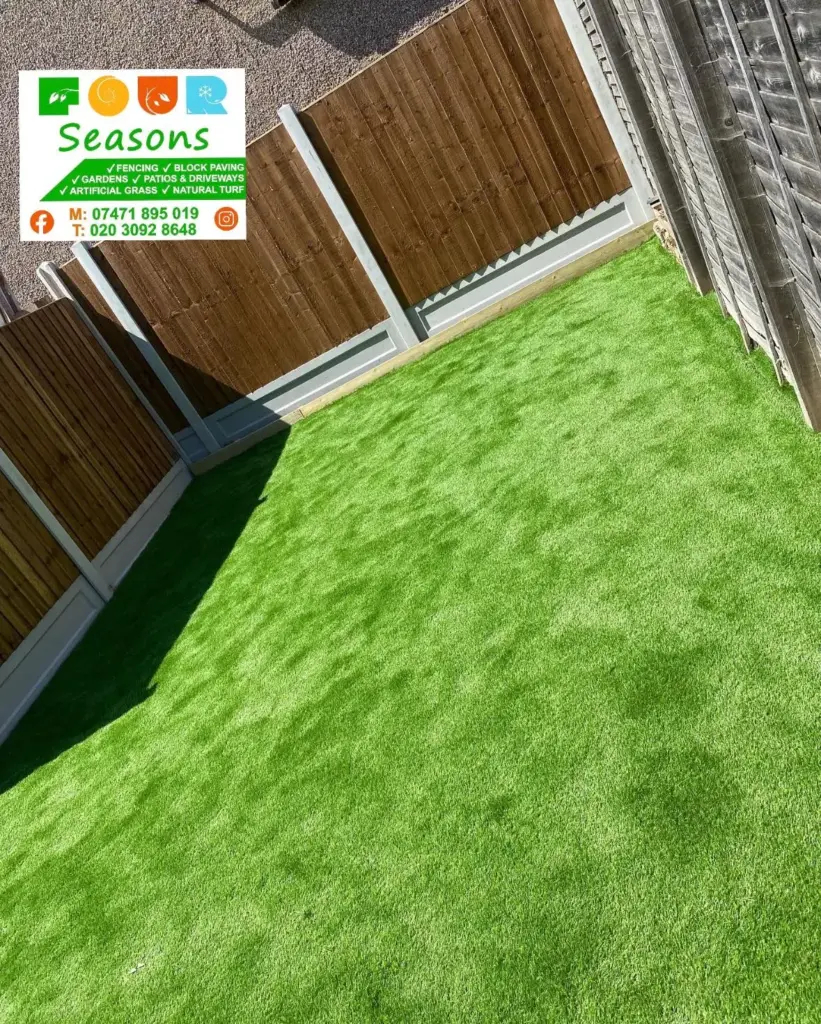
The old surface was removed and the garden was prepared for a full new installation. From there, the area was rebuilt around the artificial grass so the finished lawn looked tidier, felt more practical, and gave the property a cleaner overall feel.
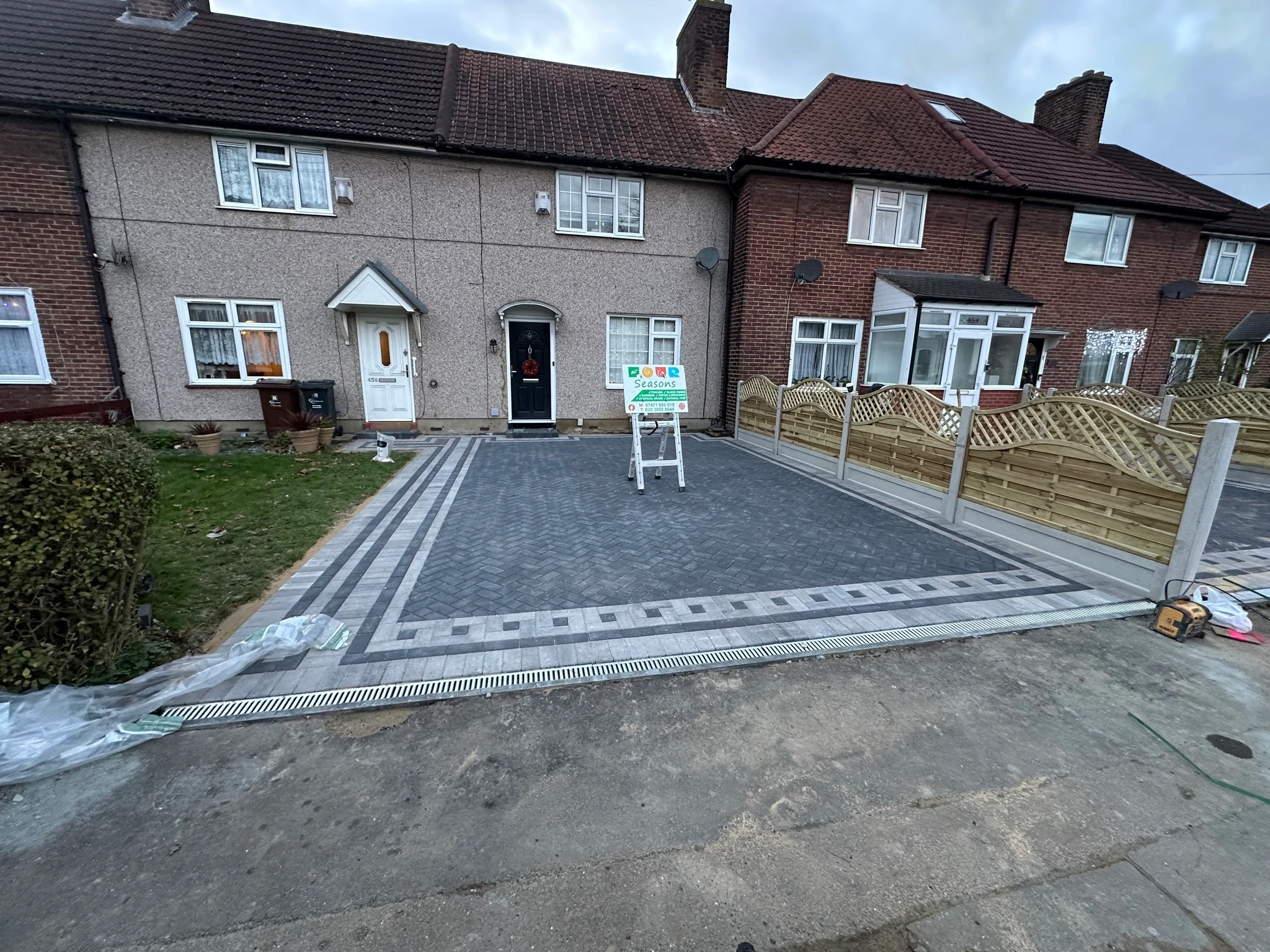
Once complete, the new surface immediately changed how the garden could be used. You can compare this with other completed work in our projects gallery, or look at our artificial grass installers page if you are planning something similar for your own garden.
What Matters on a Pet-Friendly Installation
A pet-friendly lawn needs to be about more than just appearance. The surface has to be suitable for regular use, easy to keep on top of, and properly installed so it continues to feel neat and reliable over time.
For a practical overview of what people often consider when choosing a surface for dogs, Blue Cross has useful guidance on making your garden dog-friendly. The PDSA advice on creating a pet-friendly garden is also incredibly helpful when thinking about safe layouts, durable materials, and everyday use.
View the Full Project Gallery on Facebook
What Changed Once the New Lawn Was Finished
The completed garden felt much easier to use and much easier to keep tidy. Instead of a muddy area that became a problem in poor weather, the property now has a cleaner and more dependable lawn space that works better for both the household and their pets.
That improvement is not only about looks. A garden that stays more manageable through the wetter parts of the year can make day-to-day living noticeably easier, especially when the old surface was constantly creating mess.
Looking at Artificial Grass for Your Own Garden in Romford
If your garden is regularly muddy, difficult to maintain, or simply no longer working for the way you use it, artificial grass may be worth considering. You can start by looking through our artificial grass installers page, and then visit the contact page if you want to ask about your own garden.